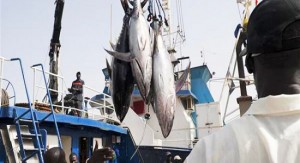
Nigeria and other West African countries are stepping up efforts to reform the fisheries sector as rising demand, declining marine resources, illegal fishing activities and export barriers threaten the region’s ability to unlock an estimated $3 billion fisheries and aquaculture economy, according to industry reports and regional development agencies.
The fisheries sector remains central to food security, employment and livelihoods across West Africa. The Food and Agriculture Organisation (FAO) of the United Nations has identified fisheries and aquaculture as critical contributors to food systems, noting that fish provides a major source of animal protein and income for millions of Africans.
Regional fisheries assessments indicated that West Africa’s marine and inland fisheries produce about three million metric tonnes of fish annually.
However, supply continues to fall short of demand in several countries, forcing governments to increase imports and promote aquaculture as a means of closing the widening gap.
The supply deficit has made Nigeria and other member states of the sub region the continent’s largest fish importers, while policymakers and investors are increasingly turning attention to aquaculture expansion and sustainable fisheries management.