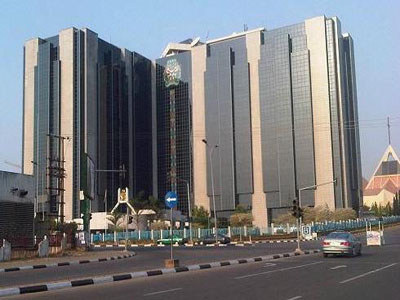
The Central Bank of Nigeria (CBN) on Thursday stated that its ongoing policy tightening and structural reforms are beginning to filter through to the broader economy, helping to stabilise the naira and ease lending rates as inflation continues to moderate.
Speaking in Lagos at a seminar for members of the Finance Correspondents Association of Nigeria (FICAN), Emem Usoro, the bank’s deputy governor for Corporate Services, said recent monetary policy actions reflect a deliberate strategy to restore macroeconomic stability after years of fiscal and external pressures.
She was represented by Hakama Sidi Ali, acting director of the bank’s Corporate Communications Department.
Usoro noted that when Governor Olayemi Cardoso and his team assumed office two years ago, Nigeria faced acute macroeconomic vulnerabilities: inflation was surging, the naira was volatile amid persistent foreign-exchange shortages, external reserves were weakened, and the financial system was burdened by large FX backlogs and heavy reliance on Ways and Means financing from the federal government.
Those conditions, she said, underscored the urgency of disciplined and well-sequenced reforms. Since then, the CBN has implemented a series of measures aimed at tightening compliance, improving bank governance and advancing its ongoing recapitalisation programme. According to Usoro, these initiatives, aligned with the government’s broader economic reforms, have helped deliver early signs of progress.