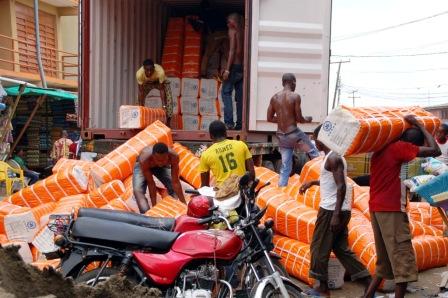
The Federal Government has moved to end Nigeria’s long-standing dependence on exporting raw materials cheaply and re-importing finished goods at high costs, with a proposed 30 percent value addition bill described as a turning point for the country’s industrialisation.
At a national sensitisation programme in Abuja, the Minister of Innovation, Science and Technology, alongside the Director General of the Raw Materials Research and Development Council (RMRDC), said the bill would compel exporters to process at least 30 percent of raw materials locally before shipment.
Nigeria exported about N1.87 trillion worth of raw materials in the first half of 2025, representing a 159 percent increase compared to the same period last year.
Experts warn that over 97 percent of agricultural exports still leave the country unprocessed, forfeiting the chance to earn up to ten times more from finished goods.
“The way we export palm kernels for N100 and later import palm oil for N1,000 is a pact with poverty. He explained that the Bill would ensure that products like cassava are processed into starch, chips, flour, ethanol or garri before export, thereby creating jobs, factories, and local wealth.”