Background
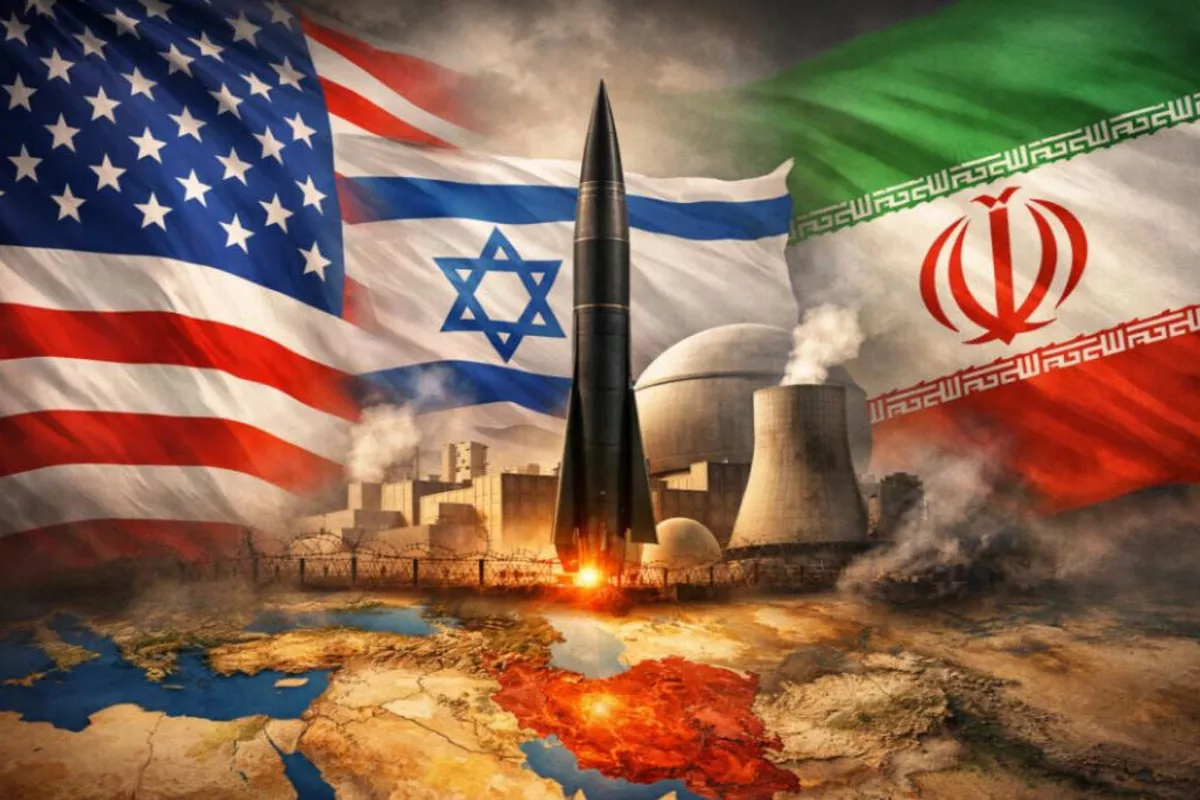
The global economy woke on Saturday, 28 February 2026, to reports of a joint military operation by United States and Israeli forces targeting Tehran, Iran’s capital. The strike reportedly resulted in significant casualties among Iran’s political leadership, including the Supreme Leader, Ayatollah Ali Khamenei.
The United States cited several reasons for the coordinated action, including Iran’s continued pursuit of nuclear weapons capabilities, alleged human rights violations by the regime, and retaliation for prior regional hostilities attributed to Iran.
In response, Iran has launched retaliatory missile attacks, including ones targeting neighbouring countries – including Saudi Arabia, Qatar, the UAE, Bahrain, Kuwait, Jordan – as well as a UK military base in Cyprus, citing their perceived indirect support for the operation.
Additionally, Iranian authorities are reportedly taking steps to restrict maritime movement through the Strait of Hormuz – a critical global energy and trade corridor linking the Middle East to Asia. The Strait accounts for roughly 20.0% of global oil and container shipments, representing energy trade flows valued at approximately $600.0bn annually (according to IEA and WTO).
Implications for Nigeria
Like many non-combatant economies, Nigeria is likely to experience significant indirect effects if the conflict persists or escalates.
Net Positive Trade Impact: An escalation of hostilities could have mixed implications for Nigeria’s external position; however, on balance, the near-to-medium-term impact may be positive. The Middle East accounts for approximately 27.0% – 30.0% of global crude oil supply. Any disruption to production or exports from the region would likely trigger a sharp increase in global oil prices, given the high capital intensity and long lead time required to expand production capacity elsewhere.
For Nigeria, higher oil prices would support export earnings and fiscal revenues, particularly as the 2026 budget oil price benchmark is $64.85/bbl, compared with a near-term price outlook of $80 – $90/bbl under a disruption scenario. Trade re-routing opportunities may also emerge. According to NBS Foreign Trade Statistics, India – Nigeria’s largest crude oil buyer – imported approximately $1.5bn worth of Nigerian crude in Q3:2025 (₦2.26tn). Given that 50.0% – 52.0% of India’s crude supply originates from the Middle East (according to The Economic Times), any disruption could increase demand for Nigerian crude, potentially expanding Nigeria’s export volumes and market share.
Negative Pass-Through to Inflation: Despite limited direct trade exposure between Nigeria and the Middle East, the secondary effects of higher global energy prices pose a downside risk to Nigeria’s inflation outlook. Rising global oil prices, alongside higher freight and war-risk insurance premiums, would increase the landed cost of imported raw materials, intermediate goods, machinery, and finished products.
This cost pressure would likely transmit into broader domestic price levels. Domestically, the prices of energy products – particularly PMS, diesel, and cooking gas – would face upward pressure if global price increases persist. Although the Dangote Refinery accounted for approximately 65.0% of domestic petroleum product supply as of January 2026, input costs remain globally determined. Given that energy products serve as intermediate inputs across multiple sectors, sustained price increases could trigger second-round effects across transportation, manufacturing, and services. If the shock persists beyond the short term, it could reverse Nigeria’s eleven-month disinflation trend recorded to date.
Overall, the development could support the Federal Government’s oil revenue outlook, particularly if domestic production remains stable and operational disruptions are contained. However, businesses and households may need to prepare for potential price pressures across multiple segments of the economy, as higher energy and logistics costs transmit through to broader consumer and production prices.
Afrinvest