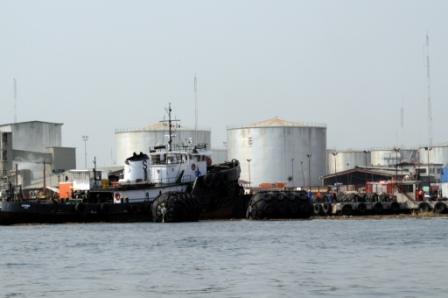
The ongoing Federal Government’s maritime reform, port infrastructure upgrades and rising export activities are beginning to yield positive results for the country, with the sector posting strong growth performance in trade in the first quarter of 2026, reinforcing Nigeria’s ambition to position its ports as a major trade hub under the African Continental Free Trade Area (AfCFTA).
In August 2023, President Bola Tinubu created the Federal Ministry of Marine and Blue Economy to diversify Nigeria’s revenue away from crude oil by harnessing the vast maritime resources to unlock the estimated $296 billion untapped economic potential.
For decades, Nigeria’s ports handled the bulk of the country’s international trade but struggled with congestion, poor infrastructure, operational inefficiencies, slow cargo clearance processes, insecurity in the Gulf of Guinea, lack of modernisation and bureaucratic bottlenecks that made its maritime domain costly, weakened competitiveness and diverted cargo traffic to neighbouring countries.
This was because the maritime sector lacked a dedicated ministry and was neglected under the Federal Ministry of Transportation.