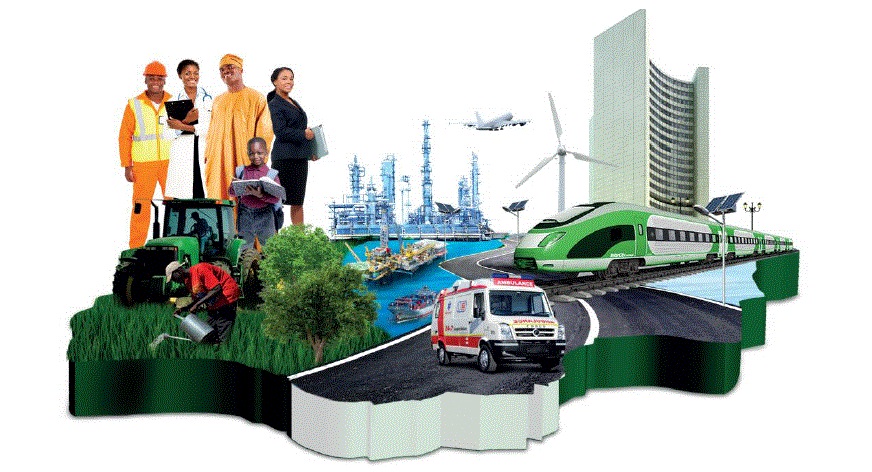
Nigeria is currently facing an estimated infrastructure deficit of $2.3 trillion and will require about $100 billion in annual investments over the next 17 years to bridge the gap, the Director-General and Chief Executive Officer, Infrastructure Concession Regulatory Commission (ICRC), Jobson Oseodion Ewalefoh, has said.
Ewalefoh disclosed this in Abuja during a one-day stakeholders’ engagement on the Model Public-Private Partnership (PPP) Agreement for Ministries, Departments and Agencies (MDAs) of the Federal Government.
According to him, the huge infrastructure gap is reflected in unfinished roads, inadequate electricity supply, limited railway networks, insufficient hospitals, poor water systems and weak digital infrastructure that continue to affect millions of Nigerians.
He said the size of the funding requirement makes it impossible for government budgets alone to finance the country’s infrastructure needs.
He said: “$2.3 trillion is the conservative estimate of Nigeria’s infrastructure deficit today. To close that gap by 2043, Nigeria must mobilise approximately $100 billion every year. Government revenue alone, even under the most disciplined fiscal management, cannot bear that weight.”