The International Monetary Fund (IMF) has disclosed that despite major economic reforms undertaken by the Nigerian government over the last three years, poverty and food insecurity have worsened significantly across the country, with 63 per cent of Nigerians now living below the national poverty line.
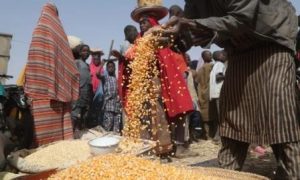
The IMF, in its 2026 Article IV Consultation Report on Nigeria released on Tuesday, said an estimated 27 million Nigerians faced food insecurity in the latter part of 2025, even as the country recorded stronger macroeconomic indicators, improved foreign reserves and renewed investor confidence.
According to the Fund, reforms including fuel subsidy removal, exchange rate liberalisation, tighter monetary policy and an end to deficit monetisation have strengthened macroeconomic stability and improved resilience in the economy.
“Strong reforms over the past three years have yielded improved macroeconomic outcomes and built resilience. Still, conditions for many Nigerians remain difficult,” the IMF stated.
The report noted that while Nigeria’s economy grew by four per cent in 2025 and is projected to rise marginally to 4.1 per cent in 2026, rising global fuel, food and fertiliser prices are worsening inflationary pressures and deepening hardship among citizens.