Nigeria’s real Gross Domestic Product grew by 4.43 per cent in the second quarter of 2026, up 4.23 per cent year-on-year, as members of the Organised Private Sector and economists hailed the country’s gradual economic recovery.
They, however, flagged the industrial sector’s familiar struggles, noting that energy unavailability, poor infrastructure and limited credit access are undermining the sector.
In its 2026 Quarter 2 GDP report, the National Bureau of Statistics reported that real GDP increased from N51.20tn in Q2 2025 to N53.47tn in Q2 2026, with the services sector emerging the largest contributor to economic output.
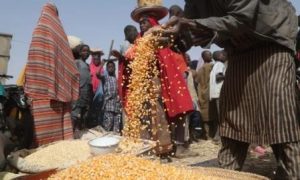
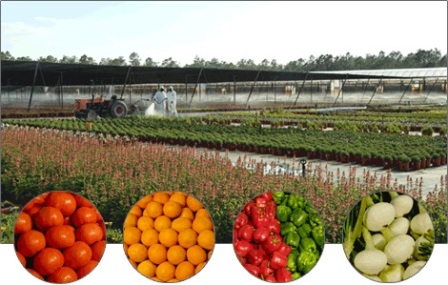
Services expanded by 4.60 per cent year-on-year in Q2, compared with 3.94 per cent in the same period last year. Agriculture also recorded a stronger performance, growing by 4.39 per cent, up from 2.82 per cent in Q2 2025 and 3.15 per cent in the first quarter of 2026.
On a quarter-on-quarter basis, agricultural output surged by 17.80 per cent, lifting the sector’s share of real GDP to 26.15 per cent during the quarter. The industrial sector, however, fell short, with growth slowing to 3.96 per cent from 7.46 per cent in Q2 2025.
The oil sector provided additional support to the economy, expanding by 7.31 per cent year-on-year as average daily crude production increased to 1.72 million barrels per day from 1.68 million barrels per day a year earlier.